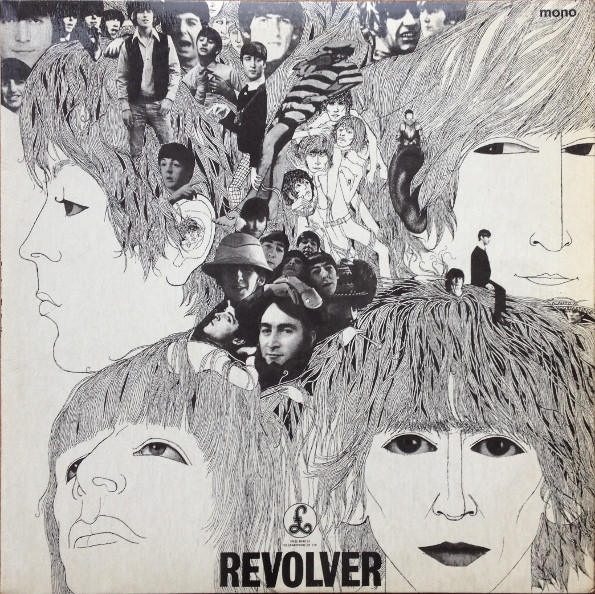
Revolver
The Beatles
470 €
Estimated vinyl value [2026 Valuation]
Technical Identification Sheet
| RELEASE NUMBER (Discogs ID) | 4368740 |
| Excel File Row | 52 |
| Date Added to Archive | 27/09/2026, 12:50:26 |
| Pressing Year | 1966 |
| Pressing Type (Press) | 1ST |
| Country of Pressing | UK |
| Record Label | Parlophone |
| Stereo / Mono | MONO |
| Catalogue Number | PMC7009 |
| Barcode | N/A |
| Matrix / Runout Side A | XEX 605-2 RDO 5 ("200" "M5" "1ST Pressing""Ernest J. Day""Variant 2 Serif Type (Times New Roman font)") |
| Matrix / Runout Side B | XEX 606-3 GMP 5 ("146 Stamper" "5 Mother") |
| Sleeve Condition | EX+ |
| Media Condition | NM |
| Inner Sleeve Condition | NM |
| Genre | Beat |
| External Link | View Original Release ↗ |
Interested in this record?
The catalogue is for browsing; sales are by direct contact only. Write to me mentioning the record and I will reply with availability and terms.
Story & Background
"Revolver" is a masterpiece of innovation, and an illuminating anecdote about its production concerns the engineer Ken Townsend and the invention of Automatic Double Tracking (ADT). John Lennon, tired of having to sing the same vocal part twice to achieve a doubling effect, jokingly asked if there wasn't a way to make it sound "come se avesse cantato due volte senza cantare due volte". Townsend devised a system: he recorded the original signal onto a tape recorder, then played it back on a second recorder slightly out of phase. By mixing the delayed copy with the original, he achieved the illusion of a double track. This technique, introduced for "Revolver", became an industry standard.
Image Gallery


Official Tracklist
- A1 - Taxman
- A2 - Eleanor Rigby
- A3 - I'm Only Sleeping
- A4 - Love You To
- A5 - Here, There And Everywhere
- A6 - Yellow Submarine
- A7 - She Said She Said
- B1 - Good Day Sunshine
- B2 - And Your Bird Can Sing
- B3 - For No One
- B4 - Dr. Robert
- B5 - I Want To Tell You
- B6 - Got To Get You Into My Life
- B7 - Tomorrow Never Knows
Audio / Video Preview
ℹ Automatic search by title and artist.